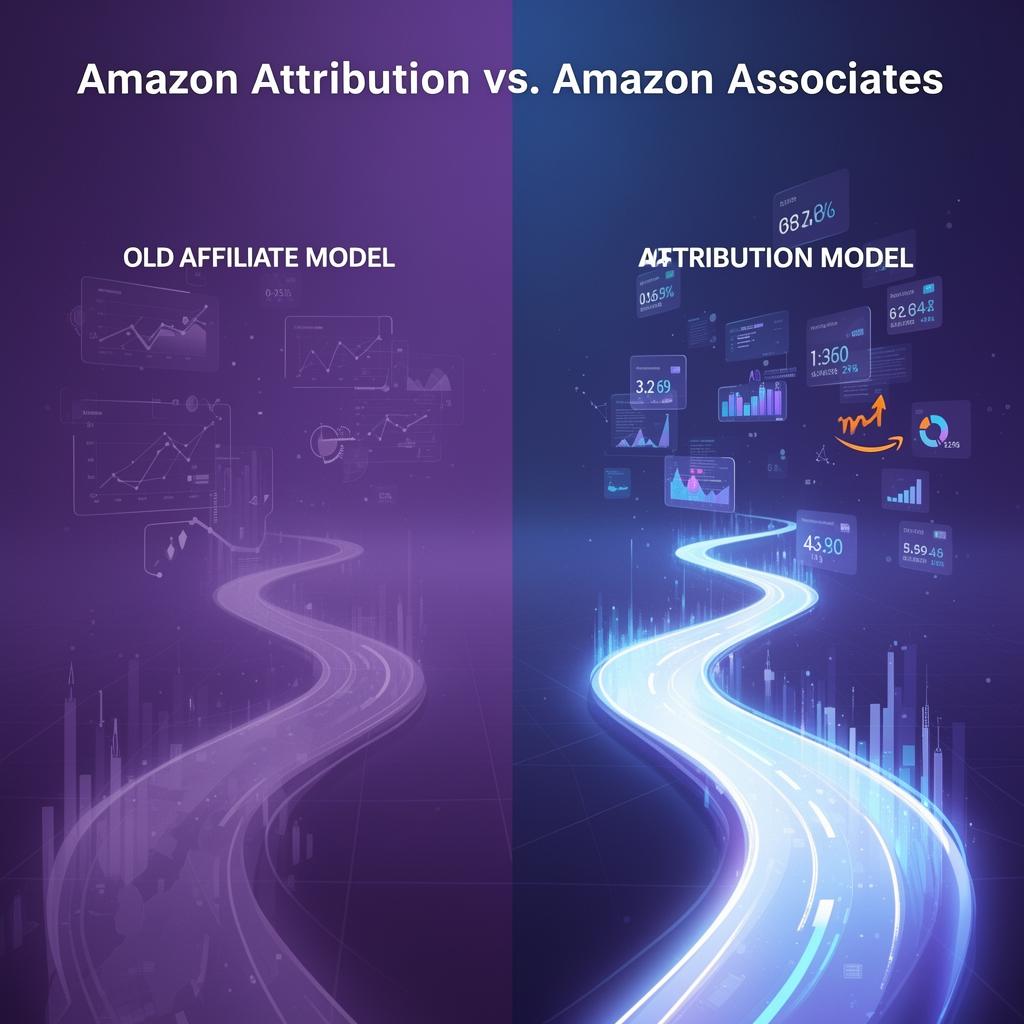
The e-commerce landscape has fundamentally shifted. In 2026, driving marketplace growth on Amazon is no longer confined to optimizing on-site sponsored ads or relying solely on organic search algorithms. Today, the most explosive growth happens off-site. Consumers are discovering products through generative AI summaries, social commerce platforms, highly authoritative editorial content, and specialized creator channels.
For publishers and creators, this off-site traffic represents a massive monetization opportunity. However, proving that your content generated an Amazon sale has historically been a fragmented, imprecise process. Enter Amazon Attribution.
While initially launched to help brands measure their own external marketing, Amazon Attribution in 2026 is the lifeblood of performance-based partnerships. It bridges the critical data gap between a publisher's off-site content and a brand's on-site conversions.
This comprehensive guide serves as your step-by-step walkthrough to setting up Amazon Attribution campaigns, cleanly tracking off-site traffic, and maximizing your performance-based earnings in 2026.
The Evolution of Amazon Attribution: Where We Stand in 2026
To understand how to leverage Amazon Attribution, we must first look at what the tool has become. Amazon Attribution is an advertising measurement console that gives brands, publishers, and creators visibility into how non-Amazon marketing channels impact shopping activity and sales on Amazon.
By 2026, the platform has evolved significantly from its early beta days. It now offers near real-time reporting, deeper integrations with social commerce algorithms, and enhanced resilience against cookie depreciation and iOS privacy updates. Through a heavily relied-upon 14-day attribution window, the tool tracks metrics like click-throughs, detailed page views (DPV), Add to Carts, and, ultimately, purchases.
For publishers and creators, the real magic lies in what Amazon Attribution unlocks: higher commission structures and direct brand collaborations.
While the standard Amazon Associates program remains a great baseline for general site monetization, commissions are capped and often subject to category reductions. By utilizing Amazon Attribution, brands qualify for the Brand Referral Bonus (BRB) program, which returns an average of 10% of the sale price back to the brand. Forward-thinking brands are using this exact bonus to fund high-yield, performance-based partnerships with creators, offering payouts that far exceed standard affiliate rates.
Why Publishers and Creators Must Master Amazon Attribution Today
The modern path to purchase is highly non-linear. According to recent e-commerce analytics, over 65% of Amazon shoppers begin their product discovery journey off-Amazon. They see a viral TikTok review, read an in-depth buying guide on a tech blog, or ask an AI search engine for product recommendations.
If you are a publisher or creator driving this top-of-funnel awareness, you need granular data to prove your worth. Here is why mastering Amazon Attribution is non-negotiable in 2026:
Transitioning from Affiliates to Performance Partners
Traditional affiliate links only scratch the surface of your true value. When you track your off-site traffic using Amazon Attribution, you are no longer just a passive affiliate; you become a quantifiable performance partner. You can approach brands with hard data: "My site's dedicated review generated 5,000 detail page views and an 8% conversion rate over 14 days." This data commands higher CPA (Cost Per Action) payouts and secures long-term, lucrative contracts.
Capitalizing on Generative Engine Optimization (GEO)
AI search engines and chat interfaces have changed how consumers research products. Publishers who optimize their content for Generative Engine Optimization (GEO) ensuring their articles and reviews are cited by AI models are seeing massive spikes in highly intent-driven traffic. Because these AI-driven queries answer specific consumer problems, the traffic they route to your site is primed to buy. Amazon Attribution allows you to capture the complete ROI of this AI-driven traffic when it inevitably filters down to an Amazon product listing.
Granular Campaign Insights
Standard affiliate links give you a broad overview of what sold. Amazon Attribution gives you micro-level insights. You can see exactly which channel (your email newsletter vs. your YouTube shorts), which specific post, and even which call-to-action (CTA) button drove the highest Add to Cart velocity. This allows you to double down on what works and optimize your off-site traffic strategy in real-time.
Scale Your Marketplace Revenue
Join brands and creators using MaverickX to drive measurable sales through performance-based partnerships.
The Complete Setup Guide: Step-by-Step for 2026
While brands traditionally own the Amazon Advertising console, the workflow in 2026 is highly collaborative. Brands generate the infrastructure, but publishers and creators must understand how to request, structure, and implement these tracking tags to ensure no conversion is lost.
Here is the complete setup guide for establishing an airtight Amazon Attribution pipeline.
Step 1: Establish the Campaign Architecture with Your Brand Partner
Before a single link is generated, you must agree on a campaign structure. If a brand simply hands you one generic link for all your efforts, your data will be severely limited.
Request that your brand partner (or your performance partnership platform) structures the Amazon Attribution console using the following hierarchy:
- Campaign: The overarching initiative (e.g., Spring 2026 Home Goods Push).
- Ad Group: The specific publisher or creator (e.g., Publisher_TechRadar or Creator_JohnDoe).
- Ad/Tag: The specific traffic source or placement (e.g., YouTube_Description, TikTok_Bio, Blog_Hero_Button, Email_Newsletter).
By demanding this structure, you ensure that you receive distinct tags for every placement, allowing you to track precisely which pieces of your content are driving performance-based earnings.
Step 2: Receive and Review the Attribution Tags
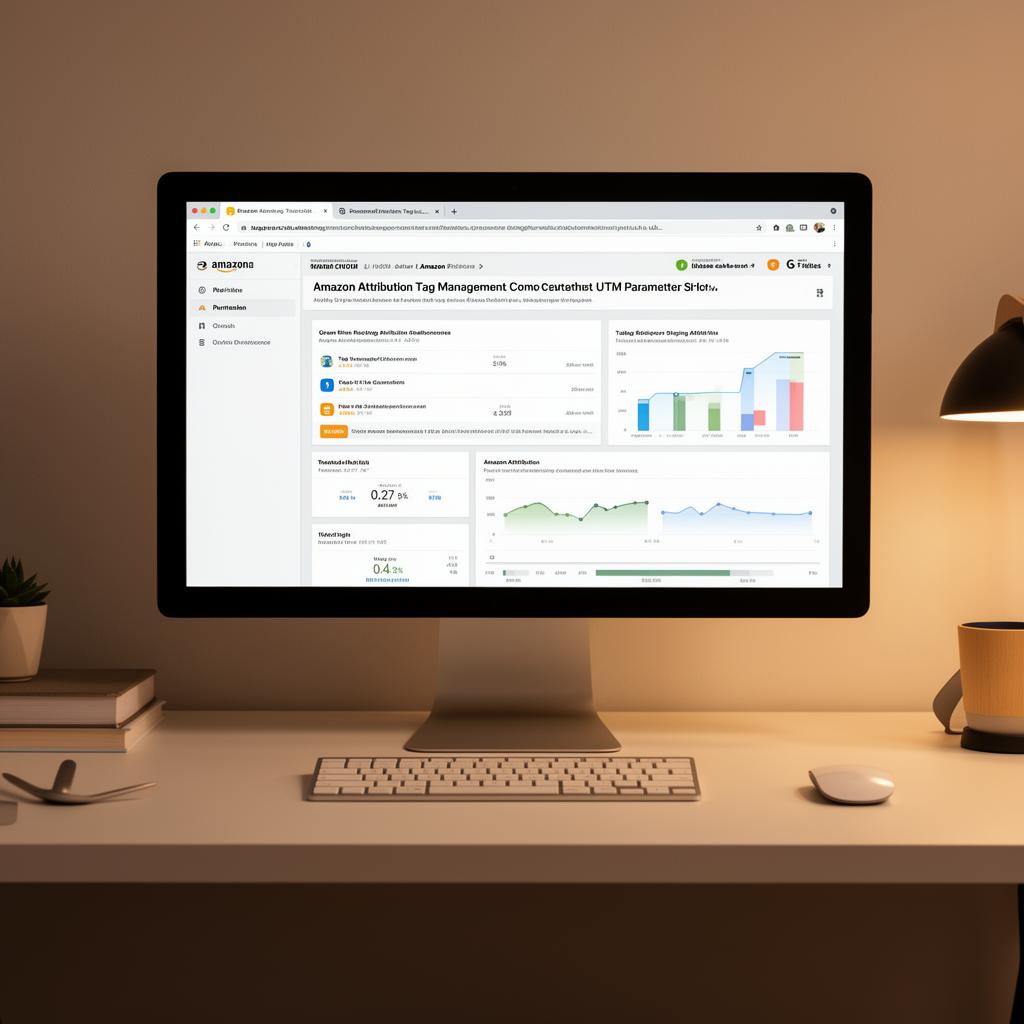
Once the brand builds the campaign, they will generate tracking URLs (Attribution Tags) and provide them to you. A standard Amazon Attribution link in 2026 will look like a standard Amazon URL but will be appended with a complex string of tracking parameters.
Actionable Advice: Never alter the tracking parameters. Doing so will break the tracking, and you will not receive credit for your sales. Always test the link in an incognito browser to ensure it resolves to the correct product detail page or brand Storefront without stripping the parameters in the address bar.
Step 3: Implement Custom Click Macros (Sub-ID Tracking)
To truly scale your performance-based earnings, you need to tie Amazon's conversion data back to your own internal analytics. In 2026, top-tier publishers do this by appending their own sub-ID parameters to the base Attribution tag.
Check with the brand or your partnership platform to ensure they have enabled dynamic parameter passing. By appending something like a subid parameter to the link, you can cross-reference your site's outbound clicks with the conversion reports provided by the brand. This guarantees discrepancy-free accounting when it is time to send your invoice.
Step 4: Deploy Tags Across Omnichannel Placements
With your distinct tags in hand, it is time to deploy them across your content ecosystem.
- For Editorial Publishers: Embed the distinct tags in high-visibility areas like the hero image, the first in-text contextual link, and the concluding CTA button.
- For Video Creators: Place the specific YouTube tag in the top two lines of your video description or pinned comment.
- For Social Creators: Utilize Link-in-Bio tools that support parameter passing, ensuring that traffic from Instagram Stories is tracked differently than traffic from a TikTok profile link.
Step 5: Establish the Reporting Cadence
Because publishers do not traditionally have direct login access to a brand's Amazon Advertising console, you must establish a reporting rhythm. Require your brand partners to provide weekly, automated reports detailing click-throughs, DPVs, and purchases.
Alternatively, avoid the manual reporting hassle entirely by working through a performance platform that democratizes this data via API, giving publishers real-time dashboards of their Amazon Attribution performance.
Advanced Strategies to Maximize Performance-Based Earnings
Setting up the tags is only the beginning. To truly maximize marketplace growth and your own revenue in 2026, publishers and creators must employ advanced off-site traffic strategies.
Optimize for AI-Assisted Discovery (AEO)
Generative Engine Optimization is transforming search. To ensure your content gets cited by AI, structure your articles with clear, definitive answers to common consumer questions. Use highly structured markup, bulleted lists, and comprehensive comparison tables. When an AI overview quotes your article as the primary source, the human user is highly likely to click your cited link. By ensuring that link is an Amazon Attribution tag, you capture a high-intent, high-converting audience.
Leverage the Halo Effect
Amazon Attribution tracks the halo effect, meaning if a user clicks your link for Product A but purchases Product B from the same brand within the 14-day window, you still receive credit. This is a powerful lever. When negotiating with brands, push for product portfolio campaigns rather than single-SKU promotions. Write review content that features multiple products from a brand's catalog, driving halo purchases.
Negotiate Performance Tiers
With robust Amazon Attribution data, you are in a strong position to negotiate tiered commission structures. Present your brand partners with a tiered model: a base CPA for the first 100 monthly sales, a higher rate for 100-500 sales, and an elite rate for 500+ sales. This incentivizes both you and the brand to scale the partnership.
The Role of Performance Platforms in Simplifying Attribution
Managing Amazon Attribution tags across multiple brand partners, dozens of content placements, and various channels can quickly become operationally overwhelming for individual publishers. This is where performance partnership platforms become invaluable.
Platforms like MaverickX centralize the entire workflow. Instead of chasing individual brands for their Attribution tags and manually requesting reports, publishers connect to a single platform that provides pre-configured tracking links, real-time conversion dashboards, and automated payment reconciliation. The platform handles the brand-side setup, tag generation, and data aggregation, allowing publishers to focus exclusively on what they do best: creating high-converting content.
Ready to Prove Your ROI?
Connect with top marketplace brands. Track attribution. Earn more with data-driven partnerships.
Looking Ahead: The Future of Publisher Monetization
The trajectory is clear. Amazon Associates-style flat commissions are a relic of a simpler, less measurable era. The future of publisher and creator monetization on Amazon is built entirely on performance-based partnerships powered by Amazon Attribution.
As generative AI further embeds itself in consumer discovery, publishers who produce authoritative, GEO-optimized content and track their conversions meticulously through Attribution will command the highest payouts. The data tells the story; your job is to make sure it is told accurately.
Start by requesting dedicated Attribution tags from your next brand partner. Structure your campaigns with surgical precision. And leverage every insight to prove that your off-Amazon content is the most valuable traffic source a brand can buy.
Keep Building
Related MaverickX Products
MaverickX Publisher Network
Activate a curated network of trusted publishers and creators to drive off-site traffic to your Amazon and Walmart listings.
Learn more about MaverickX Publisher NetworkMarketplace Growth Platform
The all-in-one platform powering publisher activation, attribution, and performance-based marketplace growth.
Tour the MaverickX Marketplace Growth PlatformSocial Placements
Activate creator partnerships across TikTok, Instagram, and YouTube with full marketplace attribution.
Explore MaverickX Social Placements
Continue Reading